
What Is the Best Commercial Hardwood Floor Cleaner for Offices?
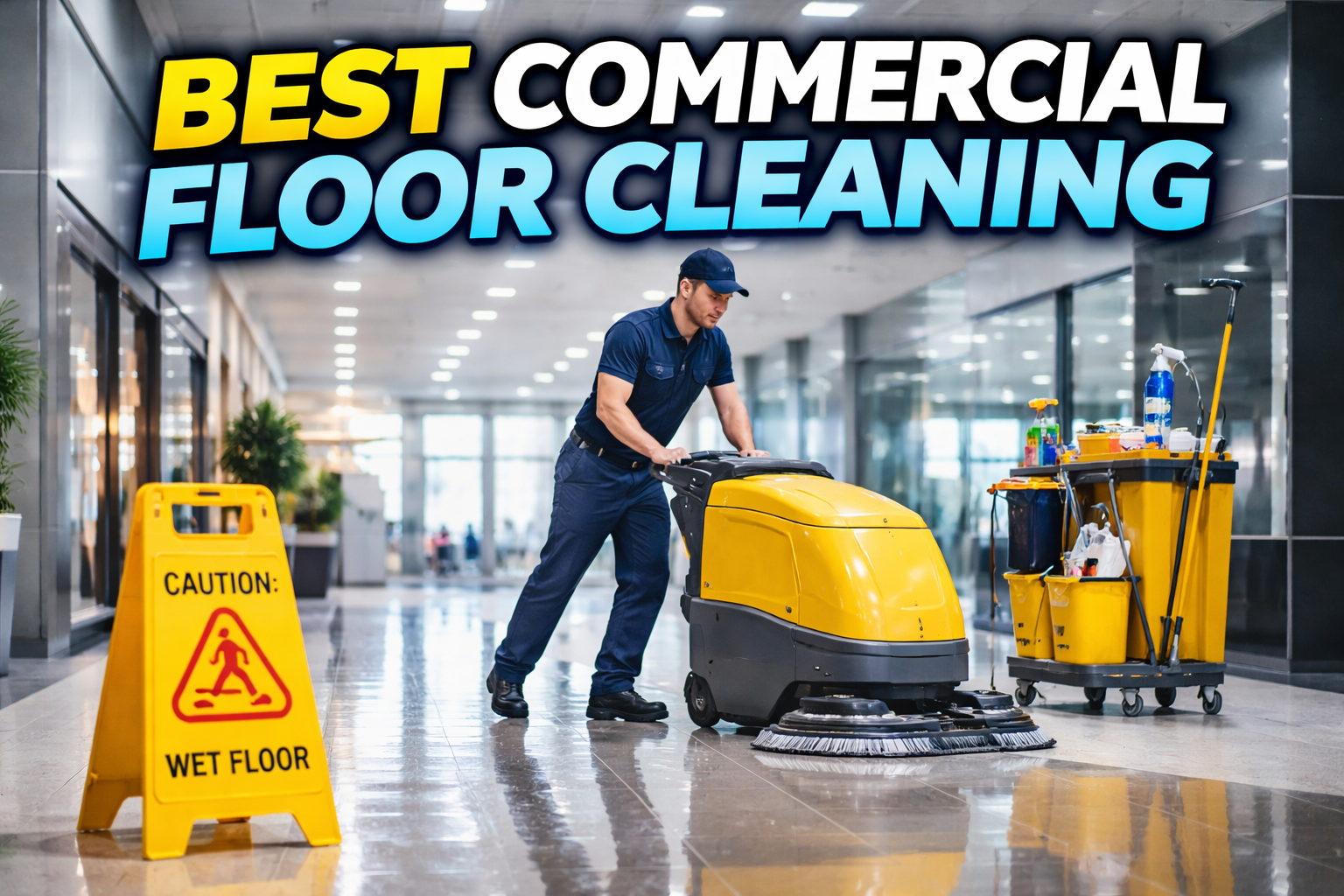
Choosing the best commercial hardwood floor cleaner for offices is important because workplace floors experience continuous foot traffic, dust exposure, and furniture movement every day. Office hardwood surfaces must stay clean and professional-looking while also being protected from chemical and mechanical damage. Unlike residential flooring, office floors need stronger durability protection because many people walk across the same surface repeatedly. The right cleaning product helps remove dust, oil marks, and shoe dirt without weakening the protective wood coating layer.
Selecting a high-quality commercial cleaner is a smart investment for long-term workplace maintenance.
Why Office Hardwood Floors Need Special Cleaning
Office hardwood floors experience continuous foot traffic, chair movement, and dust exposure, which gradually weakens surface protection layers. Without proper cleaning, microscopic dirt particles can create friction damage and dull appearance. Using a professional commercial hardwood cleaning solution helps maintain workplace flooring quality.
High Traffic Foot Movement Effects
Office floors experience constant movement from employees, visitors, and rolling furniture equipment, which creates friction between shoes and wood surfaces that slowly reduces finish quality over time. Dust particles trapped under shoes act like tiny abrasive materials that scratch the protective layer during walking activity. High traffic zones such as hallways, reception areas, and meeting rooms are especially vulnerable to surface dullness if cleaning is not done properly. Using professional hardwood cleaning solutions helps reduce mechanical wear and maintain flooring durability in busy working environments.
Dust and Bacteria Accumulation Risk
Offices are enclosed spaces where dust particles can settle quickly on wooden surfaces, especially in areas with limited air circulation. Dust buildup not only affects floor appearance but may also impact indoor air quality and workplace hygiene if left unmanaged. Some commercial hardwood cleaners contain mild antibacterial properties that help maintain cleaner and safer working conditions. However, strong disinfectant chemicals should be avoided because they may damage the natural wood coating and reduce surface protection quality.
Features of the Best Commercial Hardwood Cleaner
The best commercial hardwood floor cleaner for offices should be pH-neutral, residue-free, and safe for daily workplace use. It must provide streak-free drying performance to maintain a professional floor appearance. Advanced wood surface protection technology helps preserve natural shine and durability.
pH Neutral Protection
The best commercial hardwood floor cleaner for offices should always be pH-balanced because wood surfaces react negatively to strong acidic or alkaline chemicals that can slowly break protective coating structures. A pH level between 6 and 8 is usually recommended by flooring maintenance experts to ensure safe chemical interaction. Neutral cleaning chemistry helps preserve natural wood color, surface strength, and long-term structural stability. This feature is especially important for expensive office flooring installations that require professional maintenance care.
Streak-Free Technology
Office flooring must maintain a clean and professional appearance because visible streak marks after cleaning can make workspace interiors look poorly maintained. Modern commercial hardwood cleaners use advanced surfactant technology that allows smooth drying without leaving white lines or cleaning marks. Streak-free cleaning also improves light reflection across floor surfaces, which is very important for reception areas and conference rooms where visual presentation matters most.
Residue-Free Formula
Residue buildup is one of the main reasons hardwood floors become dull after repeated cleaning sessions because low-quality products often leave chemical layers that attract dust quickly. High-quality commercial cleaners are designed to evaporate cleanly without leaving sticky or oily film traces on wooden surfaces. Residue-free cleaning also reduces slipperiness risk, which is important for employee safety inside busy office environments.
Ingredients That Work Best for Office Floors
The best commercial hardwood floor cleaner ingredients include plant-based surfactants that safely remove dust and grease without damaging wood coating layers. Surface conditioning additives help maintain natural wood moisture balance and improve durability. Choosing eco-friendly and hardwood-safe chemical composition supports long-term office flooring protection.
Plant-Based Cleaning Agents
Many modern commercial hardwood cleaners use plant-derived surfactants because they are environmentally friendly and safer for long-term flooring protection inside closed office spaces. These natural ingredients reduce chemical irritation risk while still providing strong dust and grease removal capability. Businesses that follow sustainability policies often prefer eco-friendly hardwood cleaning solutions for workplace maintenance.
Surface Conditioning Additives
Some premium hardwood cleaners contain conditioning agents that help maintain natural wood flexibility and moisture balance, which supports long-term durability and prevents dryness cracking. These conditioning elements work like protective moisture support for wood surfaces while also improving visual shine quality. Surface conditioning ingredients are especially helpful for expensive corporate flooring installations.
How to Select Office Hardwood Floor Cleaner
Selecting the right commercial hardwood floor cleaning product depends on floor finish type, workplace traffic level, and chemical safety standards. Always choose a pH-balanced and residue-free formula designed specifically for wood surfaces. Checking product labels and manufacturer recommendations helps ensure safe office hardwood maintenance.
Finish Type Compatibility Check
Different hardwood floors use different protective finishes, such as polyurethane, oil coating, or wax protection, so choosing a compatible cleaning solution is very important for avoiding chemical damage. Always check flooring manufacturer recommendations before purchasing cleaning products because compatibility information is usually provided on product labels. Using the wrong cleaner type may slowly weaken protective coating layers.
Workplace Traffic Intensity
Busy corporate offices require stronger cleaning performance because high movement zones accumulate oil marks, shoe dust, and environmental particles faster than low-traffic areas. Hallways, entry points, and employee working zones should be cleaned more carefully compared to less-used spaces. Evaluating workplace movement patterns helps determine cleaning frequency and product strength.
Brand Safety Certification
Trusted cleaning brands usually provide chemical safety certification information that proves the product has passed quality testing standards. Certification indicates that the cleaner is safe for hardwood surfaces and reduces maintenance risk. Avoid extremely cheap or unknown brands because poor chemical stability may cause long-term floor damage.
Common Mistakes When Selecting Office Hardwood Floor Cleaners
Choosing the wrong commercial hardwood cleaning product can slowly damage the flooring quality and reduce the workplace's appearance. Many offices make selection errors because they focus only on price instead of chemical safety. Understanding wood floor cleaner compatibility is important before purchasing any product.
-
Buying Very Cheap Unknown Cleaning Brands: Low-priced unknown brands may contain unstable chemical compositions that are not tested for hardwood surfaces. Such products can leave sticky residue or cause coating damage over time. Investing in trusted professional hardwood floor maintenance products is safer.
-
Using Multi-Purpose Household Cleaners: Multi-purpose cleaners are designed for different surfaces and may include strong degreasing chemicals. These chemicals can weaken protective wood finish layers and reduce natural shine. Always check for hardwood-safe cleaning certification before buying.
-
Ignoring Floor Finish Type Compatibility: Hardwood floors may have polyurethane, oil, or wax-based protective layers that require different cleaning formulas. Using an incompatible product can slowly break coating stability. Reading manufacturer flooring recommendations helps avoid surface chemical reaction risk.
-
Mixing Different Cleaning Chemicals: Mixing cleaning solutions is dangerous because unexpected chemical reactions may occur inside workplace. This practice can damage flooring protection and release harmful vapors. Always use a single recommended office hardwood cleaning solution.
Office Hardwood Floor Maintenance Tips
Maintaining commercial hardwood flooring in offices requires a proper cleaning schedule and smart protection methods. Regular dust removal helps prevent surface friction caused by foot movement and furniture wheels. Following professional wood floor care guidelines keeps workplace interiors clean and long-lasting.
-
Perform Daily Dust Removal in Work Areas: Remove dust every day using a soft broom or microfiber cleaning tool to avoid scratch formation. Dust particles can act like tiny abrasive materials when people walk across the floor. This simple hardwood surface maintenance practice helps preserve shine.
-
Use Weekly Damp Cleaning with Professional Cleaner: Weekly cleaning using a high-quality hardwood cleaning solution is enough for most office spaces. Avoid strong chemical products that may damage protective coating layers. Choose a pH-balanced commercial wood floor cleaner for safe maintenance.
-
Avoid Excess Water During Cleaning Process: Wood flooring can absorb moisture, which may cause swelling, warping, or structural weakening. Always use slightly damp mops instead of pouring water on floor surfaces. Moisture control is essential for long-term hardwood durability.
-
Install Chair Protective Pads and Control Dirt Entry: Place protective pads under office chairs to reduce friction damage caused by movement. Use entrance floor mats to minimize outdoor dust and sand particles. These methods support the overall workplace hardwood protection strategy.
Conclusion
Selecting the best commercial hardwood floor cleaner for offices is essential for maintaining a professional workplace appearance and protecting the flooring investment. The ideal cleaner should be pH-neutral, residue-free, and compatible with the wood finish type used in the building. Office environments require special cleaning attention because high traffic movement increases surface wear risk.
Using high-quality cleaning products and following proper maintenance routines will help keep hardwood flooring durable, shiny, and visually attractive for many years.
Frequently Asked Questions
1. How often should office hardwood floors be cleaned?
Daily dust removal and weekly damp cleaning are recommended for maintaining workplace hardwood flooring.
2. What is the best pH level for commercial hardwood floor cleaners?
A pH level between 6 and 8 is safest because it protects wood coating and surface texture.
3. Can I use regular household cleaners on office hardwood floors?
No, because many household cleaners contain harsh chemicals that may damage protective wood finishes.
4. Why does my office floor look cloudy after cleaning?
Cloudiness usually happens due to excess cleaner residue or using a non-compatible cleaning product.
5. What is the safest cleaning tool for hardwood office floors?
Microfiber mops are the best choice because they remove dust without scratching the wood surface.
6. Is water safe for cleaning hardwood office flooring?
Only use slightly damp cleaning methods and avoid pouring or soaking water on wooden surfaces.
7. Should I choose expensive commercial hardwood cleaners?
Not always, but trusted professional brands usually offer better chemical safety and durability.
8. Can mixing cleaning chemicals damage hardwood floors?
Yes, mixing chemicals can create dangerous reactions and may permanently damage protective coatings.
9. How can I prevent hardwood floor dullness in offices?
Regular dust removal, pH-balanced cleaning solutions, and moisture control help maintain shine.
10. When should professional floor maintenance be done?
If floors show permanent cloudiness, deep scratches, or coating damage, professional servicing is recommended.

 English
 Arabic
 French
 Spanish
 Portuguese
 Deutsch
 Dutch
Dutch
 Italiano
 Russian
 Romaian
 Portuguese (Brazil)
 Greek
Greek