
Understanding Auto Shipping Cost: A Comprehensive Guide
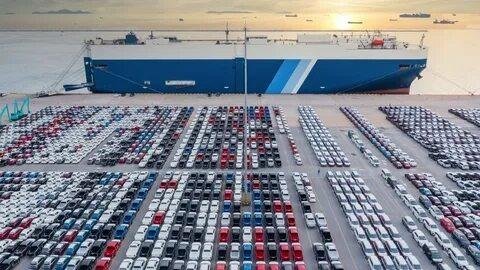
If you are planning to ship a vehicle, whether to a nearby country or across the world, one of your first questions will undoubtedly be about the auto shipping cost. The total expense is not a single, simple figure but is built from several components. Understanding what these are and how they are calculated will help you budget accurately and make informed decisions. This guide breaks down everything you need to know about the cost of shipping a car.
What Factors Influence Auto Shipping Cost?
Several key variables determine the final price you will pay to ship your vehicle. A reputable shipping provider will consider all these factors when preparing a quote.
1. The Chosen Shipping Method: RORO vs. Container
The method you select is one of the biggest determinants of auto shipping cost.
-
RORO (Roll-on/Roll-off) Shipping: This is generally the more cost-effective option. Vehicles are driven directly onto specialised vessels, a streamlined process that helps keep transport fees lower. It's an excellent choice for standard vehicles like saloon cars and SUVs.
-
Container Shipping: This method offers maximum protection, with your vehicle loaded into a secure steel container. Because of the additional equipment, handling, and security, container shipping typically has a higher cost. It is the preferred choice for luxury, classic, electric, or hybrid vehicles.
2. Vehicle Size and Type
It is logical that a larger vehicle occupies more space and may require different handling, which directly impacts cost. Shipping a motorcycle will be at a different price point than shipping a large 4x4. Providers are equipped to handle everything from small cars to vans, trucks, caravans, and motorhomes, with costs scaling appropriately.
3. The Shipping Route
The specific origin and destination ports play a major role. A common, short route—for example, from a major UK port like Southampton or Felixstowe to a close European destination—will generally be less expensive than a long-distance voyage to a more remote part of the world. The frequency of sailings on a particular route also influences pricing.
What is Typically Included in the Quoted Cost?
When you receive a quote for auto shipping cost, it is important to know what services that initial price usually covers. This core freight cost typically includes:
-
Origin Port Handling: Charges for receiving your vehicle and handling all necessary export documentation at the departure port.
-
The Ocean Freight: The actual cost of transporting your vehicle on the vessel to its destination port.
-
Loading and Securing: The professional labour and materials required to safely load your vehicle onto the ship and secure it for the voyage.
Understanding Separate Destination Charges
A critical part of understanding the total auto shipping cost is knowing that certain fees are almost always payable separately at the vehicle's destination. These are not typically included in the initial freight quote and can vary significantly by country.
You should budget for potential charges such as:
-
Import Duties and Taxes: Levied by the destination country, including VAT, GST, or other import taxes.
-
Destination Port Handling: Fees for the port's role in receiving, processing, and releasing your vehicle.
-
Customs Clearance Agent Fees: Most destinations require you to use a local customs broker to handle import paperwork, and they charge a fee.
-
Vehicle Inspections or Modifications: Some countries require vehicles to pass specific inspections upon arrival or even undergo modifications to meet local standards.
-
Optional Transit Insurance: While basic coverage may be included, many shippers offer optional, more comprehensive transit insurance.
A trustworthy shipping provider will always be transparent about this distinction and advise you to research the specific import regulations and likely costs for your destination country well in advance.
Tips for Managing and Understanding Your Quote
Being a prepared customer helps ensure you get an accurate quote and avoid unexpected fees.
-
Get a Detailed Quote: When requesting a quote, ask for a clear breakdown of what is included. Clarify any terms you don't understand.
-
Prepare Your Vehicle: Remove all personal items. A clean vehicle allows for a proper pre-shipping inspection and avoids complications.
-
Research Destination Requirements: Proactively check customs and duties information for your destination country. Knowing the local rules helps you anticipate the full financial picture.
-
Discuss Your Options: Talk with your provider about both RORO and container options to understand the cost-benefit trade-off for your specific vehicle.
Frequently Asked Questions (FAQs) About Auto Shipping Cost
Q: Why is there such a difference in cost between RORO and container shipping?
A: The cost difference reflects the level of service and protection. RORO is a high-volume, efficient process designed to keep costs manageable. Container shipping involves additional equipment (the container itself) and more complex, labour-intensive handling to load the vehicle inside, providing maximum security, which increases the price.
Q: Does the type of vehicle I'm shipping affect the cost?
A: Yes, absolutely. Vehicle size and type are major cost factors. Providers ship everything from motorcycles and small cars to large 4x4s, vans, trucks, caravans, and motorhomes. Larger and heavier vehicles occupy more space and require different handling, leading to higher auto shipping costs.
Q: Are import taxes and customs fees included in the shipping quote?
A: No, generally they are not. The shipping quote covers the freight service to get your vehicle to the destination port. Import duties, taxes (like VAT), destination port handling fees, and customs agent fees are almost always separate costs payable by you in the destination country.
Q: Can I save money by putting personal items in the car?
A: This is not recommended and is often prohibited. Shipping personal items inside the vehicle can lead to significant delays, additional handling by customs, fines, and complications with insurance. It is safest and most cost-effective in the long run to ship personal belongings separately.
Q: How can I get a complete picture of the total auto shipping cost?
A: Start by getting a detailed freight quote from a reputable shipping provider. Then, research the specific import rules for your destination country. Contacting a customs agent or broker in that country to get an estimate of the local taxes, duties, and clearance fees will give you the most complete financial picture.
By understanding these core components, you can navigate the financial side of vehicle shipping with confidence and ensure there are no surprises when it's time to move your car.

 English
 Arabic
 French
 Spanish
 Deutsch
 Turkish
 Dutch
Dutch
 Italiano
 Russian
 Romaian
 Portuguese (Brazil)
 Greek
Greek