
Radiator Coolant The Complete Guide for Pakistan Drivers (Carrera)
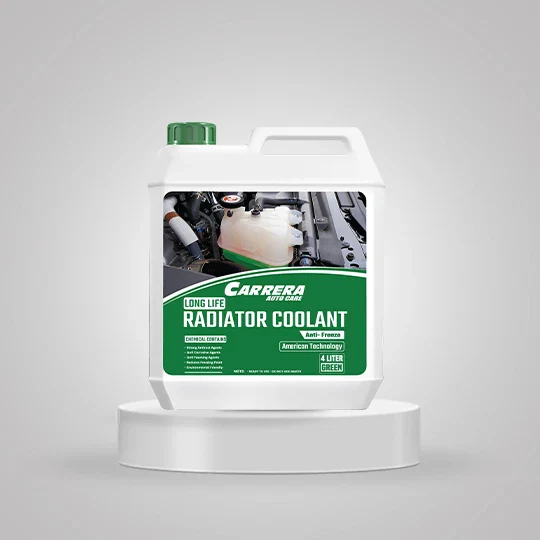
In Pakistan, driving conditions can be tough on engines—high summer temperatures, long traffic jams, dusty roads, and frequent stop-and-go driving. In these conditions, radiator coolant is not optional—it’s essential. It helps your engine stay within a safe temperature range, prevents overheating, and protects key cooling system parts from rust and corrosion.
If you own a car in Pakistan, understanding radiator coolant will save you from expensive repairs like radiator damage, blown head gaskets, water pump failure, or heater core blockages. This guide by Carrera will walk you through coolant basics, best practices, warning signs, and how to choose the right coolant for your vehicle.
What Is Radiator Coolant?
Radiator coolant (also called engine coolant or antifreeze-coolant mix) is a fluid that circulates through your engine and radiator. Its main job is to carry heat away from the engine and release it through the radiator.
Most coolant products are made from:
· Ethylene glycol or propylene glycol (the base fluid)
· Additives (to prevent rust, corrosion, foaming, and scale buildup)
· Water (mixed in the correct ratio for best performance)
Coolant is different from plain water because it offers:
· Higher boiling point (important for hot climates like Pakistan)
· Corrosion protection for metal parts
· Better long-term stability and performance
What Does Radiator Coolant Do?
Radiator coolant performs multiple critical functions at the same time:
1) Prevents Engine Overheating
Pakistan’s summer heat plus traffic can push engines to the limit. Coolant absorbs engine heat and transfers it to the radiator for cooling.
2) Stops Rust and Corrosion
Your cooling system contains metals like aluminum, steel, and copper. Without proper additives, these parts can corrode internally, causing leaks and blockages.
3) Reduces Scale and Deposits
Tap water often contains minerals that create scale inside the radiator and engine passages. Coolant reduces deposit buildup and helps maintain flow.
4) Protects the Water Pump and Seals
Coolant lubricates certain components and helps prevent seal wear, which reduces the chance of water pump failure.
Radiator Coolant vs Water: Which Is Better?
Many drivers in Pakistan use plain water—especially in emergencies. But water alone is risky long-term.
Water disadvantages:
· Boils faster in heat, increasing overheating risk
· Causes rust and corrosion inside the radiator and engine
· Creates mineral deposits (especially from tap water)
· Doesn’t protect hoses and seals as effectively
Best practice: Use the correct radiator coolant mix recommended for your car. If you must use water temporarily, use distilled water, and return to proper coolant as soon as possible.
Types of Radiator Coolant (And How to Choose)
Different vehicles require different coolant technologies. Using the wrong type can reduce protection or cause sludge formation.
IAT (Inorganic Additive Technology)
· Usually green
· Older vehicles commonly use it
· Needs more frequent replacement
OAT (Organic Acid Technology)
· Often orange, pink, or red
· Longer life
· Common in modern vehicles
HOAT (Hybrid Organic Acid Technology)
· A mix of IAT + OAT benefits
· Used by many manufacturers
Important: Color is not a reliable method to choose coolant. Always match the coolant specification recommended for your vehicle.
Best Coolant Mix Ratio for Pakistan
For most cars, a 50/50 mix of radiator coolant and distilled water is ideal. It provides strong heat protection and corrosion resistance.
In extremely hot regions or heavy-load driving, some drivers prefer a slightly stronger coolant concentration. However:
· Too much coolant (like 70%+) can reduce heat transfer efficiency.
· Too little coolant reduces corrosion protection.
Safe rule: Stick to manufacturer guidelines—typically 50/50.
Signs Your Radiator Coolant Needs Attention
If you notice any of these symptoms, your cooling system may need coolant top-up, flushing, or repair:
· Temperature gauge rising higher than normal
· Coolant warning light on dashboard
· Sweet smell from the engine bay
· Steam coming from the hood
· Low coolant level in reservoir repeatedly
· Rusty or muddy coolant color
· White residue near radiator cap or hose joints
· Heater performance getting weak (in cars with heaters)
If coolant level drops regularly, it could mean a leak in:
· Radiator
· Hoses
· Water pump
· Radiator cap
· Thermostat housing
· Head gasket (more serious)
How to Check Radiator Coolant Level Safely
Safety matters because hot coolant can cause serious burns.
Step-by-step:
1. Park on a flat surface and turn off the engine.
2. Let the engine cool completely (at least 30–60 minutes in hot weather).
3. Find the coolant reservoir tank (usually transparent).
4. Check the level between MIN and MAX marks.
5. If low, top up using the correct radiator coolant mixture.
Do not open the radiator cap when hot. Pressure can spray boiling coolant.
When Should You Flush and Replace Radiator Coolant?
Coolant doesn’t last forever. Over time, additives wear out and the coolant becomes less effective.
General guidance:
· Older coolant types: replace more often
· Long-life coolant types: last longer
· Driving conditions in Pakistan (heat, dust): can shorten coolant life
You should consider a coolant flush if:
· Coolant looks brown, rusty, or cloudy
· You see particles or sludge
· The engine runs hotter than normal
· The radiator was repaired or replaced
· You’re switching coolant type (only if approved)
A proper flush helps remove:
· Rust residue
· Scale and mineral buildup
· Old additives and contaminants
Common Mistakes Pakistan Drivers Should Avoid
Here are the biggest coolant mistakes that cause overheating and expensive repairs:
1) Mixing Different Coolant Types
Mixing incompatible coolants can create gel/sludge that blocks flow.
2) Using Tap Water
Tap water minerals build deposits, clog the radiator, and increase corrosion risk.
3) Ignoring Small Leaks
A minor leak becomes a major failure fast in hot weather.
4) Overfilling the Reservoir
Coolant expands when hot. Overfilling can lead to overflow and pressure issues.
5) Relying Only on “Color”
Coolant color varies by brand. Always use the correct specification.
FAQs About Radiator Coolant
1) Can I use radiator coolant without mixing water?
Some coolants are pre-mixed and ready to use. Others are concentrate and must be mixed with distilled water. Check the label carefully.
2) How often should I top up radiator coolant?
Top-up is not a routine schedule item. If your coolant level drops often, it usually indicates a leak or another cooling system issue.
3) Is radiator coolant necessary in winter in Pakistan?
Yes. Even in mild winters, coolant still prevents corrosion and helps regulate engine temperature. It also raises the boiling point for summer use.
4) What happens if I drive with low radiator coolant?
Low coolant can cause overheating, warped engine parts, radiator damage, and in severe cases, a blown head gasket.
5) Can radiator coolant improve AC performance?
Not directly. But if your engine overheats, overall performance can drop and the vehicle may reduce load. A healthy cooling system supports stable operation.
6) Why is my coolant disappearing but there’s no leak under the car?
You may have an internal leak (like a head gasket issue) or a leak that evaporates on hot engine parts. A pressure test can help identify it.
Conclusion: Keep Your Engine Safe with the Right Radiator Coolant
In Pakistan’s climate, radiator coolant is one of the most important fluids in your car. It protects against overheating, corrosion, and costly repairs—especially in summer traffic and long-distance driving. The smart approach is simple: use the correct coolant type, maintain the right mix ratio, avoid mixing brands/types, and act quickly if levels drop or temperatures rise.
For reliable performance and long-term engine protection, make radiator coolant care part of your regular maintenance routine—because prevention is always cheaper than repair.
Carrera recommends staying proactive: check coolant levels regularly, use proper coolant specifications, and never ignore early warning signs.

 English
 Arabic
 French
 Spanish
 Portuguese
 Turkish
 Dutch
Dutch
 Italiano
 Russian
 Romaian
 Portuguese (Brazil)
 Greek
Greek