
International Car Transport: Your Complete Guide to Shipping a Vehicle Overseas
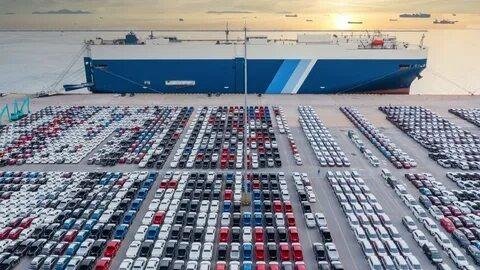
Transporting a vehicle to another country is a significant logistical task that requires expert handling and careful planning. Whether you are relocating for work, purchasing a vehicle from abroad, or sending a car to a holiday home, understanding the intricacies of international car transport is essential for a smooth and secure experience. This guide provides a comprehensive overview of the methods, preparations, and key considerations involved in shipping your car anywhere in the world.
What is International Car Transport?
International car transport refers to the professional service of moving a vehicle from one country to another, typically by sea. The core promise of any reputable service is the safe, secure, and efficient delivery of your vehicle, treating it with the same care you would. Professional transporters handle vehicles of all shapes and sizes, ensuring they reach their destination in top condition.
Whether you need to move a small saloon car, a large SUV, a motorcycle, or even a motorhome, a comprehensive international car transport service has the expertise and equipment to do the job.
Key Methods of International Car Transport
A full-service international car transport company offers various methods to suit different vehicles, budgets, and timelines. Here are the primary options you can expect.
1. Roll-on/Roll-off (RoRo) Shipping
RoRo, which stands for 'Roll on Roll off,' is one of the most common and efficient methods for international car transport. With this approach, vehicles are driven directly onto specially designed vessels at the departure port and driven off upon arrival. These ships have built-in ramps, making the loading and unloading process quick and straightforward.
This method is particularly well-suited for standard, operable vehicles. It is a popular choice because the process is streamlined and can accommodate thousands of cars, trucks, and caravans on a single voyage. Vehicles are typically secured on decks, often below deck for added protection during the journey, helping to keep transport fees efficient.
2. Container Shipping
For those seeking maximum security and protection, container shipping is the premium choice for international car transport. Your vehicle is placed inside a sealed steel container for its entire journey, shielding it completely from weather, sea spray, and any potential contact with other cargo.
International car transport via container offers flexibility through two main options:
-
Full Container Load (FCL): Your vehicle has the entire container to itself. This is the ultimate in security and is highly recommended for luxury cars, classic and vintage vehicles, and electric or hybrid cars. Containers come in standard sizes like 20ft and 40ft to ensure a perfect fit.
-
Less than Container Load (LCL): Your vehicle shares container space with other cars or cargo. This can be a cost-effective way to benefit from the protection of a container without paying for an entire one.
3. Air Freight (For Urgent Shipments)
In rare cases where speed is the absolute priority, vehicles can be transported by air. This method is significantly faster than sea freight but is a specialized and more complex service, typically reserved for urgent or high-value shipments.
The International Car Transport Process: Step-by-Step
Successfully shipping a car overseas involves several key stages. Understanding this process helps set clear expectations.
Step 1: Choosing Your Service and Route
The journey begins by selecting the right method (RoRo or container) based on your vehicle's type and your needs. International car transport routes are extensive, with regular services from major ports to destinations worldwide. Common departure points include major ports like Southampton, Felixstowe, and Liverpool, which offer frequent sailings globally.
Step 2: Preparing Your Vehicle
Before your car is shipped, proper preparation is essential to ensure a smooth process:
-
Clean Thoroughly: A clean vehicle makes the required pre-shipping inspection easier.
-
Remove Personal Items: Containers and RoRo decks are for the vehicle only. All personal belongings must be removed from the glove box, trunk, and interior. Items left behind can complicate customs and are not covered by insurance.
-
Document the Condition: Take clear, dated photographs of your vehicle from all angles. This creates a record of its condition before transit.
-
Check for Operability and Leaks: Ensure the car is in good working order with no fluid leaks. For RoRo shipping, it must be able to be driven on and off the vessel.
-
Disable Alarms: Disable any car alarms to prevent issues during transport.
-
Leave a Quarter Tank of Fuel: This is usually enough for loading and unloading without adding unnecessary weight.
Step 3: Professional Handling and Ocean Transport
At the port, your vehicle is handled by experienced professionals. For RoRo, it's carefully driven onto the vessel and secured. For container shipping, it's expertly loaded and fastened inside the container to prevent any movement during the voyage. Throughout the journey, reputable transporters prioritize safety, with continuous checks to guarantee optimal wellbeing onboard.
Step 4: Arrival and Customs Clearance
Upon arrival at the destination port, your vehicle will go through local customs. This is a critical phase where you'll need to handle the import declaration and pay any required duties or taxes.
Important Considerations for International Car Transport
International car transport involves more than just the ocean voyage. Being aware of these factors ensures no surprises.
Customs, Duties, and Taxes
Every country has its own import regulations. It is your responsibility to understand the customs formalities for your destination. Key costs that are typically separate from the shipping freight and payable at the destination include:
-
Import duties, taxes, and Value Added Tax (VAT).
-
Destination port handling and clearance fees.
-
Fees for a local customs agent or broker.
-
Costs for any mandatory vehicle inspections or modifications to meet local standards.
Always research these requirements well in advance, as they vary substantially from country to country. A good transport partner can provide guidance, but the ultimate responsibility lies with the vehicle owner.
Insurance Protection
While professional international car transport services handle vehicles with the utmost care, transport always carries inherent risk. Optional transit insurance is highly recommended to provide financial protection for your vehicle's full value during its journey. This offers invaluable peace of mind.
Vehicle Suitability
International car transport services are equipped to handle a vast range of vehicle types. From small saloon cars and 4x4s to large trucks, caravans, motorcycles, and motorhomes, professional shippers have the expertise to transport them all safely.
Final Thoughts
International car transport is a complex but entirely manageable process when you understand the fundamentals. By choosing between RoRo and container methods, preparing your vehicle correctly, and budgeting for destination charges like customs duties, you can ensure a smooth and secure experience. The goal is always the same: to have your vehicle arrive at its overseas destination safely and in the same condition it left.
Frequently Asked Questions (FAQs) About International Car Transport
1. What is the main difference between RoRo and container shipping for international car transport?
RoRo (Roll-on/Roll-off) involves driving vehicles onto a specialized ship. It's efficient and generally more cost-effective. Container shipping places your vehicle inside a secure steel box, offering maximum protection from the elements and damage, making it ideal for luxury or classic cars.
2. How do I know which transport method is right for my car?
Consider your vehicle's value and type. For standard, operable cars, RoRo is often a great choice. For luxury, classic, electric, or non-operational vehicles, container shipping (FCL or LCL) is strongly recommended for its superior protection.
3. Are customs duties and taxes included in the international transport quote?
No, they are typically not included. The shipping quote covers the transport and handling at the origin. You are responsible for separate costs at the destination, including import duties, taxes (like VAT), and local port clearance fees. Always confirm this with your provider.
4. Can I pack personal belongings inside my car for international transport?
Generally, no. For both RoRo and container shipping, vehicles must be empty of personal items. This is for safety, customs compliance, and insurance reasons. Belongings should be packed and shipped separately.
5. Is my vehicle insured during international transport?
Professional transporters exercise utmost care, but their liability may be limited. It is highly recommended to purchase optional transit insurance to cover your vehicle for its full insurable value during the entire journey.
6. What documents do I need for international car transport?
Required documents typically include the vehicle's registration (V5C or equivalent), proof of ownership, a valid passport for the owner, and a commercial invoice if the vehicle is being sold. Your destination country will have specific customs forms to complete.
7. How long does international car transport take?
Transit times vary greatly depending on the distance and route. A shipment from the UK to a nearby European port might take a few days, while shipping to Australia or New Zealand can take several weeks. Your transport provider can give you an estimated time for your specific route.
8. How should I prepare my car for international transport?
You should clean the vehicle, remove all personal items, document its condition with photos, check for leaks, and ensure it is operable (for RoRo). Also, leave the fuel tank about a quarter full and disable the alarm.

 English
 French
 Spanish
 Portuguese
 Deutsch
 Turkish
 Dutch
Dutch
 Italiano
 Russian
 Romaian
 Portuguese (Brazil)
 Greek
Greek