
Can Community Efforts Improve Education Access In Pakistan
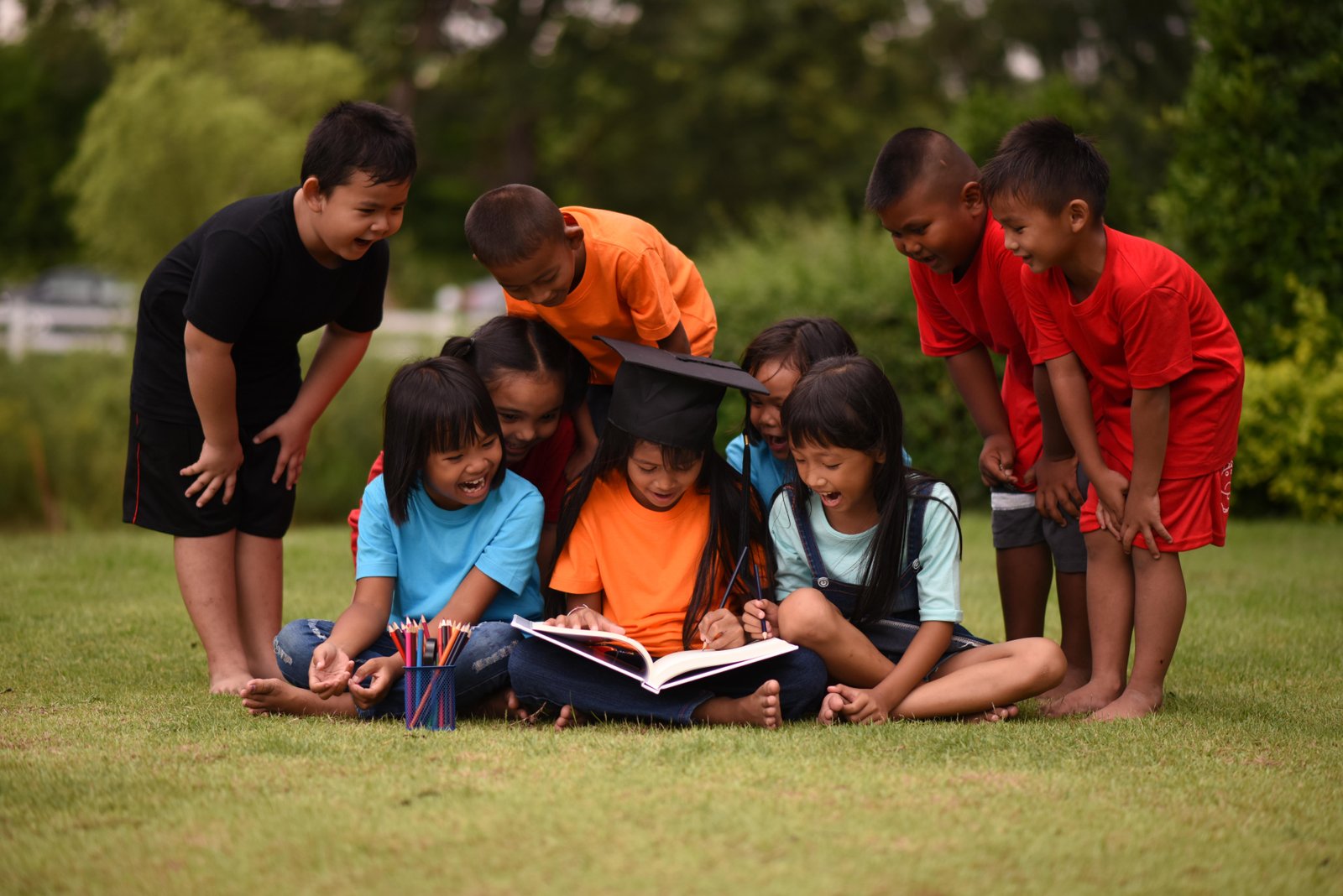
Education is one of the strongest tools for social and economic progress. In Pakistan, millions of children still struggle to access quality learning opportunities. Many families live in areas where schools lack teachers, facilities, or even proper buildings. These challenges are particularly visible in rural regions where resources are limited.
Across the country, educators, communities, and social initiatives are working together to improve learning conditions. By focusing on access, infrastructure, and awareness, these efforts are slowly transforming the future of education.
This article explores the current challenges and opportunities in sindh education and balochistan education, while highlighting the growing role of non profits for education in supporting students and communities.
The Current State Of Education In Pakistan
Pakistan has made some progress in education over the past decade. The country's literacy rate is now 60 percent, which is a good sign.
However there are still problems. For example girls and boys do not have access to education and there are big differences between different areas.
Urban areas have schools, teachers and technology for learning. Rural areas often do not have these things. Limited transportation, money problems and social issues can stop kids from going to school. Education experts say that making it easier for people to learn is crucial for the country's future.
When kids get an education they learn skills that help their communities grow and get better. This in turn helps Pakistan move forward. The education sector still faces challenges but progress has been made. Pakistan's education system needs to keep improving.
Challenges In Sindh Education
The situation of sindh education shows both progress and serious challenges. While cities like Karachi have strong educational institutions, many rural districts still struggle with access and quality.
Reports show that literacy in Sindh is slightly above 57 percent, but rural areas lag far behind urban centers. Some districts have extremely low female literacy rates, highlighting the need for focused policies and community support.
Infrastructure gaps
Many schools in remote areas lack clean water, electricity, and proper classrooms. Poor infrastructure discourages families from sending children to school.
Teacher shortages
Some rural schools operate with only one teacher responsible for multiple grades. This limits the quality of learning and student engagement.
Economic pressures
In low-income households, children may leave school early to help support the family. This leads to higher dropout rates.
Despite these challenges, education advocates believe that community engagement and modern learning approaches can strengthen education in the coming years.
Barriers Affecting Balochistan Education
The challenges in Balochistan education are even more severe due to geographic isolation and limited resources. Balochistan is Pakistan’s largest province by area, but many communities live far from schools and educational services.
The literacy rate in the province is around 42 percent, the lowest among all provinces. Several reports highlight the scale of the problem.
Nearly three million children in Balochistan are out of school, which represents a large portion of the school-age population.
Additionally, many schools face basic infrastructure issues.
-
Around 22 percent of schools are non functional
-
Some schools have only one classroom
-
Many lack electricity, water, or toilets
These conditions make it difficult for students to continue learning beyond the primary level. As a result, dropout rates remain high.
Improving Balochistan education requires long-term investment in infrastructure, teacher training, and community awareness programs.
How Non Profits Are Supporting Education
Across Pakistan, non profits for education play an important role in bridging gaps where government systems face limitations.
These organizations focus on practical solutions that directly help students and communities.
-
Many nonprofits that focus on education work on building classrooms. They also provide furniture. Fix damaged school buildings. In areas hit by floods rebuilding schools helps kids get back to learning
-
Books, uniforms and school supplies cost a lot for families with incomes. Nonprofit groups often give these materials out so kids can keep studying.
-
There's still a problem, with girls not being able to go to school in some areas. Programs that help girls go to school give out scholarships.
-
They also provide ways for girls to get to school and teach communities about the importance of girls' education. These programs help more girls go to school.
A Path Forward For Education In Pakistan
Improving education requires collaboration between government institutions, communities, and social initiatives.
Key steps that experts recommend include
-
Increasing investment in rural schools
-
Training and supporting teachers
-
Expanding digital learning resources
-
Strengthening partnerships with non profits for education
These efforts can create sustainable improvements in both sindh and balochistan education.
Education is not just about classrooms. It shapes the future of communities and the development of the entire country.
When children receive quality learning opportunities, they gain the skills needed to build a stronger and more prosperous society.
FAQs
Why Is Education Important For Community Development?
Education helps people gain knowledge and skills that improve employment opportunities and economic stability. It also supports healthier communities and stronger social development.
What Are The Main Challenges In Rural Education?
Common challenges include poor school infrastructure, lack of trained teachers, transportation difficulties, and financial pressures on families.
How Can Communities Support Education?
Communities can encourage school attendance, participate in school management activities, and raise awareness about the importance of education for children.
Why Are Nonprofit Organizations Important In Education?
Nonprofit initiatives provide resources, infrastructure, and support programs that help students access learning opportunities in underserved areas.
How Can Technology Improve Learning?
Technology allows students to access digital lessons, online libraries, and virtual classrooms, making education more accessible even in remote regions.

 English
 Arabic
 French
 Spanish
 Portuguese
 Turkish
 Dutch
Dutch
 Italiano
 Russian
 Romaian
 Portuguese (Brazil)
 Greek
Greek