
Why Smart Talent Acquisition Drives Business Growth
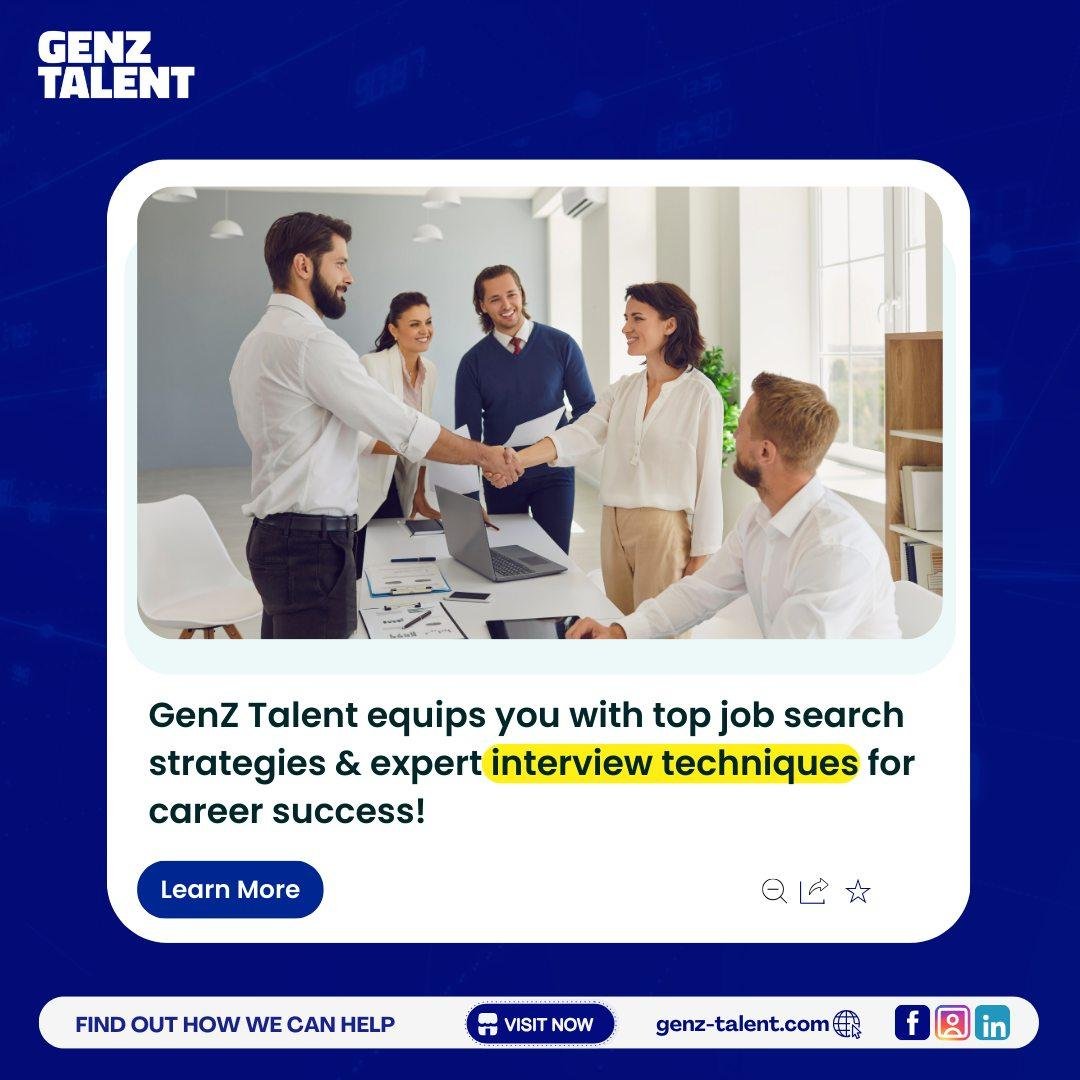
In the modern business world, success depends not only on innovative products or services but also on the people behind them. A strong, skilled workforce plays a crucial role in helping organizations achieve their goals, adapt to changes, and remain competitive in the global market. For this reason, talent acquisition has become one of the most important strategies for business growth.
Companies today face increasing challenges when it comes to hiring the right professionals. Rapid technological advancement, changing workforce expectations, and intense competition for skilled candidates make recruitment more complex than ever. Businesses must adopt smarter hiring practices to attract, hire, and retain talented individuals who can contribute to long-term success.
This blog explores the importance of modern talent acquisition strategies and how businesses can build stronger teams through effective recruitment, workforce planning, and digital solutions.
Understanding Talent Acquisition
Talent acquisition is often confused with traditional recruitment, but it goes beyond simply filling open job positions. Talent acquisition is a long-term strategy focused on identifying, attracting, and hiring skilled professionals who align with a company’s mission and future goals.
A strong talent acquisition strategy helps organizations:
-
Identify workforce needs
-
Build a pipeline of qualified candidates
-
Improve the quality of hiring decisions
-
Reduce employee turnover
-
Support long-term organizational growth
Instead of reacting to hiring needs only when vacancies appear, companies with effective talent acquisition strategies plan ahead and continuously search for top talent.
This proactive approach ensures that organizations always have access to skilled professionals when opportunities or challenges arise.
Challenges Businesses Face in Hiring Talent
Despite the importance of talent acquisition, many organizations struggle with several hiring challenges.
One common issue is skills shortages. In many industries, demand for highly skilled professionals exceeds the available supply. This makes it difficult for companies to find candidates with the right qualifications and experience.
Another challenge is the length of hiring processes. Traditional recruitment methods can take weeks or even months to complete, causing businesses to lose valuable candidates to faster competitors.
Companies also face difficulties in attracting top talent. Job seekers today carefully evaluate companies before applying, considering factors such as workplace culture, career development opportunities, and organizational values.
To overcome these challenges, businesses must adopt modern recruitment strategies that combine technology, data, and innovative workforce solutions.
The Importance of Strategic Recruitment
Strategic recruitment involves carefully planning the hiring process to ensure the right candidates are selected for the right roles. It focuses not only on technical qualifications but also on cultural fit and long-term potential.
Organizations that implement strategic recruitment processes benefit from:
-
Better hiring decisions
-
Higher employee engagement
-
Improved team performance
-
Reduced recruitment costs
Recruiters play an important role in this process by identifying candidates who possess both the required skills and the ability to adapt to the company’s work environment.
Effective recruitment strategies also include detailed job descriptions, structured interviews, and thorough candidate evaluations. These practices help ensure that new employees contribute positively to the organization.
Technology and Digital Recruitment
Technology has transformed the recruitment landscape. Companies now use digital tools to streamline hiring processes and improve efficiency.
One widely used technology is the Applicant Tracking System (ATS). These systems allow recruiters to manage job applications, track candidate progress, and organize hiring workflows.
Other digital tools include:
Artificial Intelligence Screening
AI-powered tools analyze resumes and identify candidates who best match job requirements.
Online Skill Assessments
Employers can evaluate candidates’ technical abilities through online tests and assignments.
Video Interviews
Video conferencing tools allow companies to conduct interviews remotely, saving time and travel expenses.
Data Analytics
Recruitment analytics help organizations measure hiring performance and improve decision-making.
By integrating these technologies into their hiring strategies, businesses can speed up recruitment and make more accurate hiring decisions.
Staff Augmentation and Flexible Workforce Models
Another important trend in modern workforce management is staff augmentation. This approach allows companies to hire skilled professionals on a temporary or project basis rather than committing to full-time employment immediately.
Staff augmentation is especially useful for organizations that require specialized skills for short-term projects. For example, a company developing a new mobile application may need software developers, designers, and testers for a limited period.
This flexible workforce model provides several benefits:
-
Quick access to specialized talent
-
Lower long-term hiring costs
-
Greater flexibility in workforce planning
-
Faster project completion
By combining traditional hiring with staff augmentation strategies, businesses can scale their teams according to their needs.
Employer Branding and Candidate Attraction
In today’s competitive job market, attracting talented professionals requires more than simply posting job openings. Companies must actively promote themselves as attractive employers.
Employer branding refers to the reputation and image a company presents to potential employees. A strong employer brand helps organizations stand out and attract high-quality candidates.
Some effective employer branding strategies include:
-
Showcasing company culture on social media
-
Highlighting employee achievements and success stories
-
Providing transparent information about career opportunities
-
Promoting work-life balance and professional development
Candidates are more likely to apply for jobs at companies that demonstrate positive work environments and strong leadership.
By investing in employer branding, businesses can build trust with potential candidates and improve their ability to attract top talent.
Employee Development and Retention
Hiring talented employees is only the first step. Organizations must also focus on retaining and developing their workforce.
Employee development programs help workers improve their skills, gain new knowledge, and advance their careers. These programs may include training workshops, mentoring initiatives, and leadership development opportunities.
Companies that invest in employee development benefit from:
-
Increased productivity
-
Higher employee satisfaction
-
Stronger organizational loyalty
-
Reduced turnover rates
Creating a supportive work environment where employees feel valued and motivated is essential for long-term success.
Building Future-Ready Organizations
The future of work will continue to evolve as technology advances and workforce expectations change. Companies that want to remain competitive must focus on building future-ready organizations.
Future-ready organizations are characterized by:
-
Flexible workforce strategies
-
Continuous learning and innovation
-
Strong leadership and collaboration
-
Adoption of digital technologies
-
Strategic talent acquisition
By combining these elements, businesses can create teams capable of adapting to new challenges and opportunities.
Organizations that embrace innovation and prioritize talent development will be better prepared to succeed in an increasingly complex global economy.
Conclusion
Talent acquisition has become a critical factor in modern business success. Companies that invest in strategic recruitment, digital hiring tools, and strong employer branding are better positioned to attract and retain skilled professionals.
Modern talent solutions help organizations overcome hiring challenges, streamline recruitment processes, and build teams that support long-term growth.
By focusing on workforce development, flexible hiring strategies, and employee engagement, businesses can create strong foundations for future success.

 English
 French
 Spanish
 Portuguese
 Deutsch
 Turkish
 Dutch
Dutch
 Italiano
 Russian
 Romaian
 Portuguese (Brazil)
 Greek
Greek