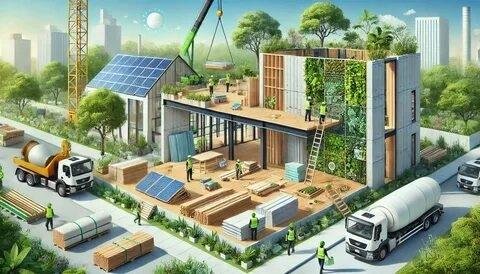
The sustainable construction industry is transforming how buildings are designed, constructed, and maintained. As environmental concerns continue to rise, the demand for eco-friendly construction practices has significantly increased. This shift focuses on reducing environmental impact, conserving natural resources, and creating energy-efficient structures that benefit both people and the planet.
In today’s world, sustainability is no longer just an option—it has become a necessity. The construction sector plays a major role in global energy consumption and carbon emissions, making it essential to adopt greener practices for long-term environmental balance.
What is the Sustainable Construction Industry?
The sustainable construction industry refers to the use of environmentally responsible methods and materials throughout a building’s lifecycle. This includes planning, design, construction, operation, maintenance, and even demolition.
The main goal is to minimize waste, reduce energy consumption, and lower carbon emissions while maintaining high-quality and durable structures. Sustainable construction also focuses on improving indoor air quality and enhancing the overall well-being of occupants.
Importance of Sustainable Construction
Environmental Protection
One of the biggest advantages of sustainable construction is its positive impact on the environment. By using renewable materials and reducing waste, the industry helps conserve natural resources and decrease pollution levels.
Energy Efficiency
Sustainable buildings are designed to consume less energy through efficient insulation, natural lighting, and advanced technologies. This reduces the dependence on non-renewable energy sources and lowers overall energy demand.
Long-Term Cost Savings
Although initial planning may require more attention, sustainable construction often leads to long-term savings through reduced energy usage and lower maintenance needs.
Improved Health and Comfort
Green buildings prioritize better ventilation, natural light, and non-toxic materials. This results in healthier indoor environments and improved comfort for occupants.
Key Principles of Sustainable Construction
Efficient Use of Resources
The industry focuses on using materials that are renewable, recyclable, and locally sourced. This reduces transportation emissions and supports resource conservation.
Waste Reduction
Construction projects generate significant waste. Sustainable practices aim to minimize this by reusing materials and adopting efficient construction methods.
Water Conservation
Water-saving technologies such as rainwater harvesting and efficient plumbing systems are commonly used to reduce water consumption.
Energy Optimization
Incorporating energy-efficient systems like solar panels and smart technologies helps reduce energy use and environmental impact.
Sustainable Materials in Construction
The choice of materials plays a crucial role in the sustainable construction industry. Eco-friendly materials not only reduce environmental harm but also improve building performance.
Recycled Materials
Materials such as recycled steel, wood, and concrete are widely used to reduce waste and conserve resources.
Bamboo and Timber
Bamboo is a fast-growing renewable resource that is increasingly popular in sustainable construction. Similarly, responsibly sourced timber is also a preferred option.
Low-Impact Concrete
Innovations in concrete production have led to the development of low-carbon alternatives that reduce greenhouse gas emissions.
Insulation Materials
Eco-friendly insulation materials improve energy efficiency by maintaining indoor temperatures and reducing heating or cooling needs.
Modern Technologies Supporting Sustainability
Technology plays a key role in advancing sustainable construction practices. Smart systems and innovative solutions are making buildings more efficient and environmentally friendly.
Building Information Modeling (BIM)
BIM helps in planning and managing construction projects more efficiently, reducing errors and material waste.
Smart Building Systems
Automated systems control lighting, temperature, and energy use, ensuring optimal efficiency.
Renewable Energy Integration
Solar panels, wind energy systems, and other renewable technologies are increasingly integrated into modern buildings.
Challenges in the Sustainable Construction Industry
Despite its benefits, the sustainable construction industry faces several challenges. One of the main obstacles is the lack of awareness and understanding of sustainable practices.
Additionally, the availability of eco-friendly materials may vary by region, and proper implementation requires skilled professionals. Resistance to change and traditional construction methods can also slow down adoption.
However, as awareness grows and technologies advance, these challenges are gradually being addressed.
Future of Sustainable Construction
The future of the sustainable construction industry looks promising. Governments, organizations, and individuals are increasingly recognizing the importance of eco-friendly construction.
With advancements in technology and growing environmental awareness, sustainable practices are expected to become the standard rather than the exception. Green certifications and regulations are also encouraging the adoption of sustainable methods across the industry.
As cities continue to expand, sustainable construction will play a crucial role in creating resilient and environmentally responsible urban environments.
Conclusion
The sustainable construction industry is shaping the future of how we build and live. By focusing on energy efficiency, resource conservation, and environmental protection, it offers a responsible approach to modern construction.
Adopting sustainable practices not only benefits the environment but also enhances the quality and longevity of buildings. As the demand for greener solutions continues to rise, sustainable construction will remain a key driver of innovation and progress in the industry.
FAQs
What is sustainable construction?
Sustainable construction involves using eco-friendly materials and methods to reduce environmental impact and improve energy efficiency throughout a building’s lifecycle.
Why is the sustainable construction industry important?
It helps reduce carbon emissions, conserve natural resources, and create healthier living environments.
What materials are used in sustainable construction?
Common materials include recycled steel, bamboo, low-impact concrete, and eco-friendly insulation.
Is sustainable construction expensive?
While initial planning may require effort, it often results in long-term savings through energy efficiency and reduced maintenance.
What is the future of sustainable construction?
The industry is expected to grow rapidly, with increased adoption of green technologies and stricter environmental regulations.


 English
 French
 Spanish
 Portuguese
 Deutsch
 Turkish
 Dutch
Dutch
 Italiano
 Russian
 Romaian
 Portuguese (Brazil)
 Greek
Greek